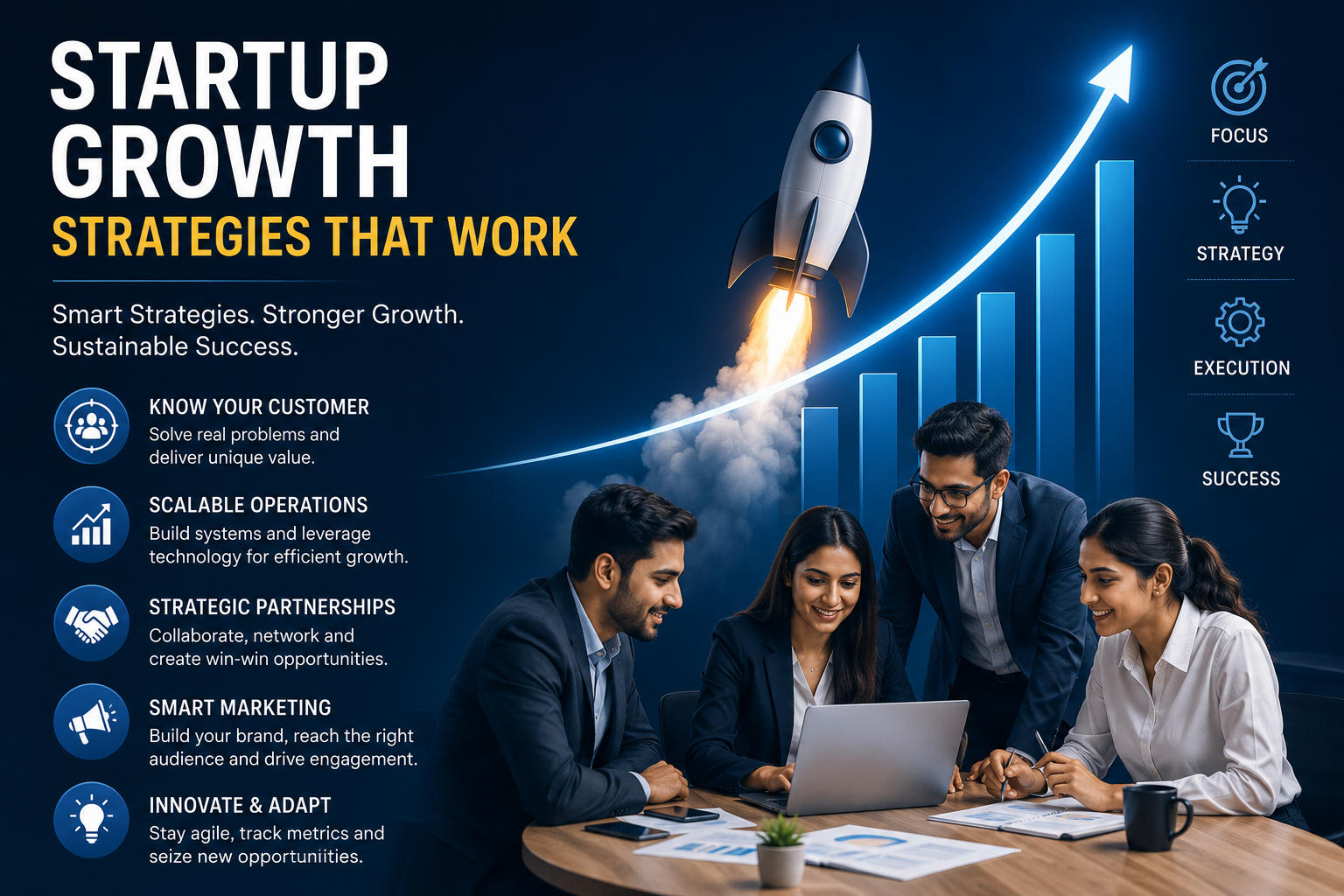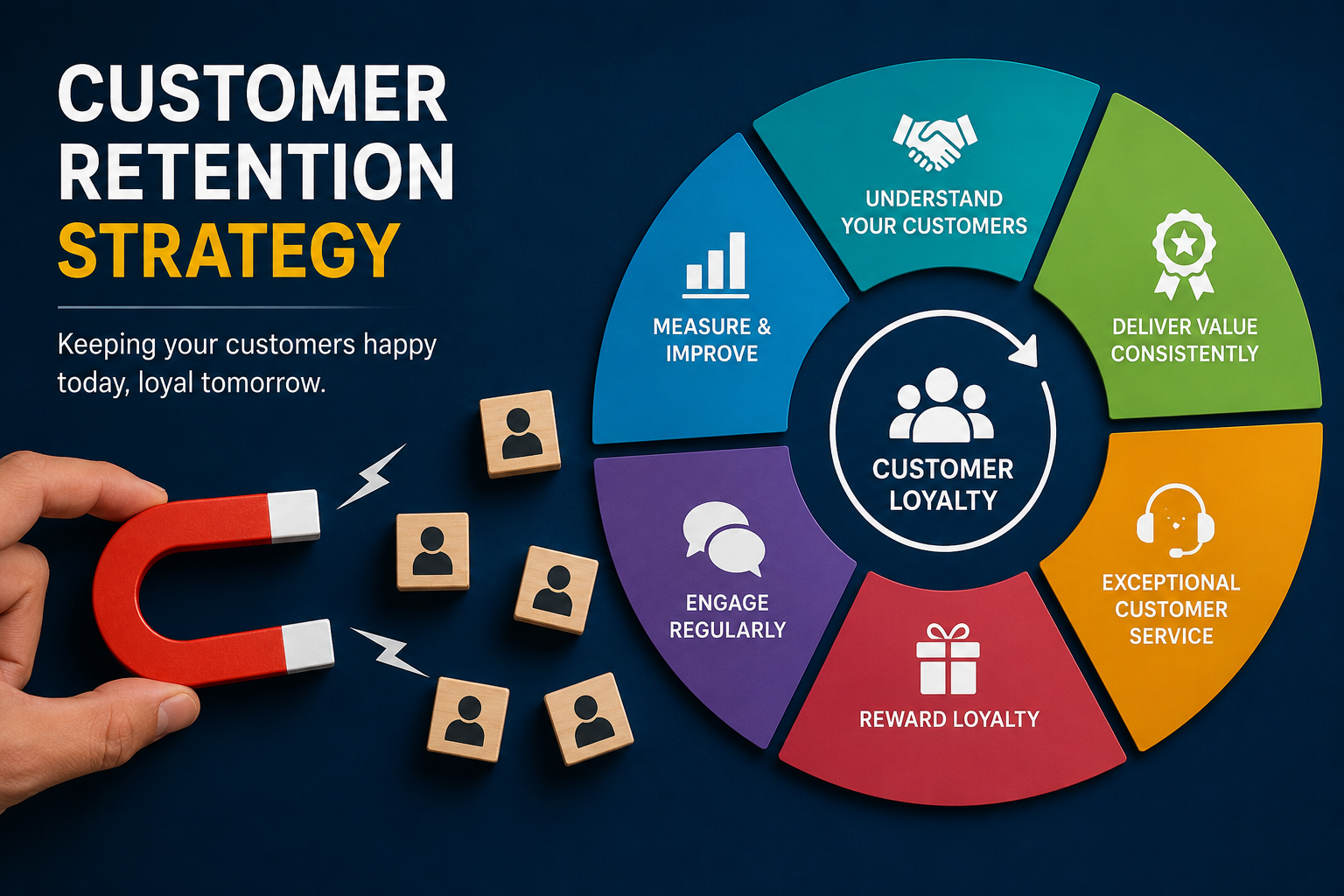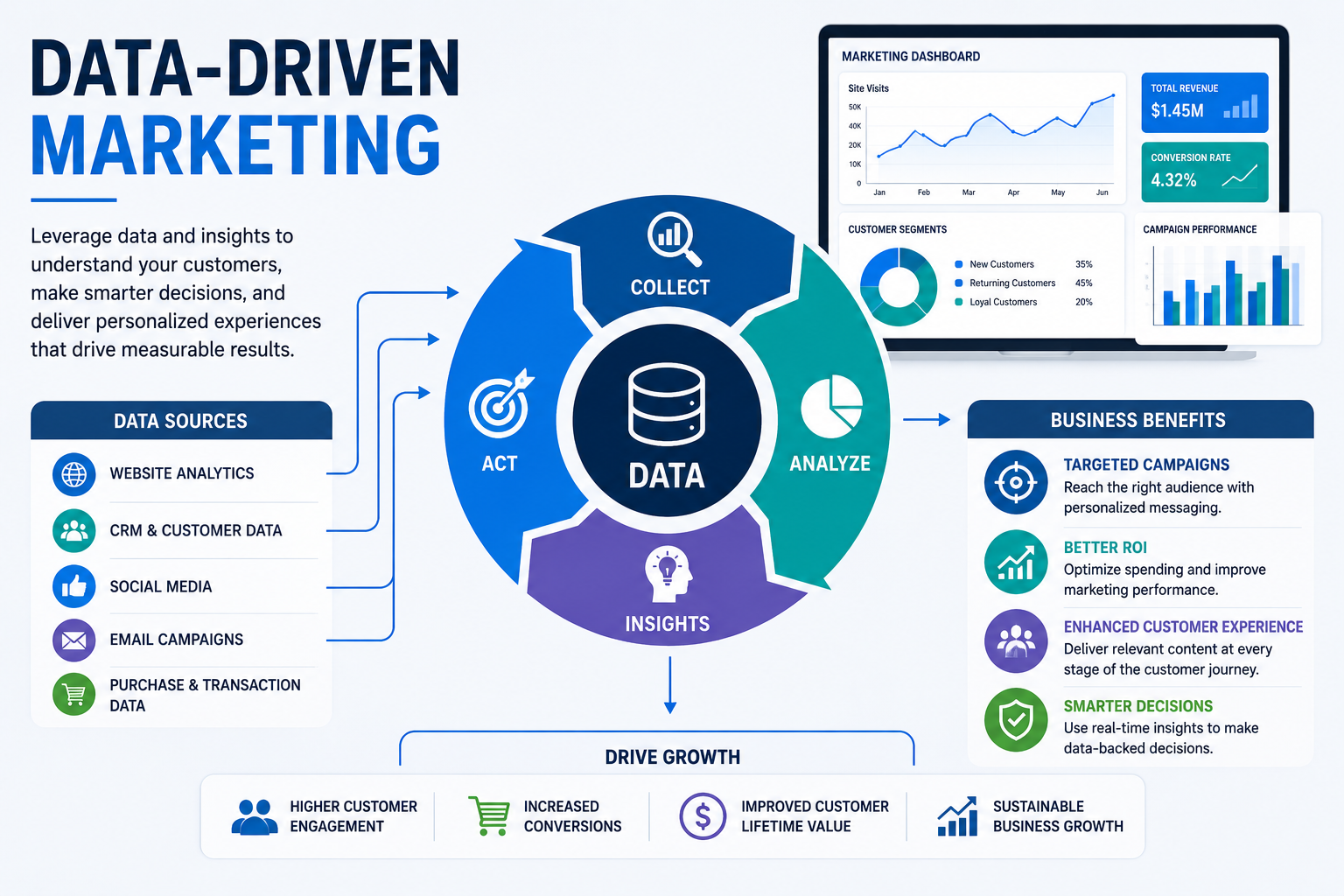
In today's highly competitive business environment, organizations that place customers at the center of their strategies are more likely to achieve sustainable growth and long-term success. Building a customer-centric organization goes beyond delivering quality products or services—it involves creating a culture where every decision, process, and innovation is driven by the goal of enhancing customer value and satisfaction.
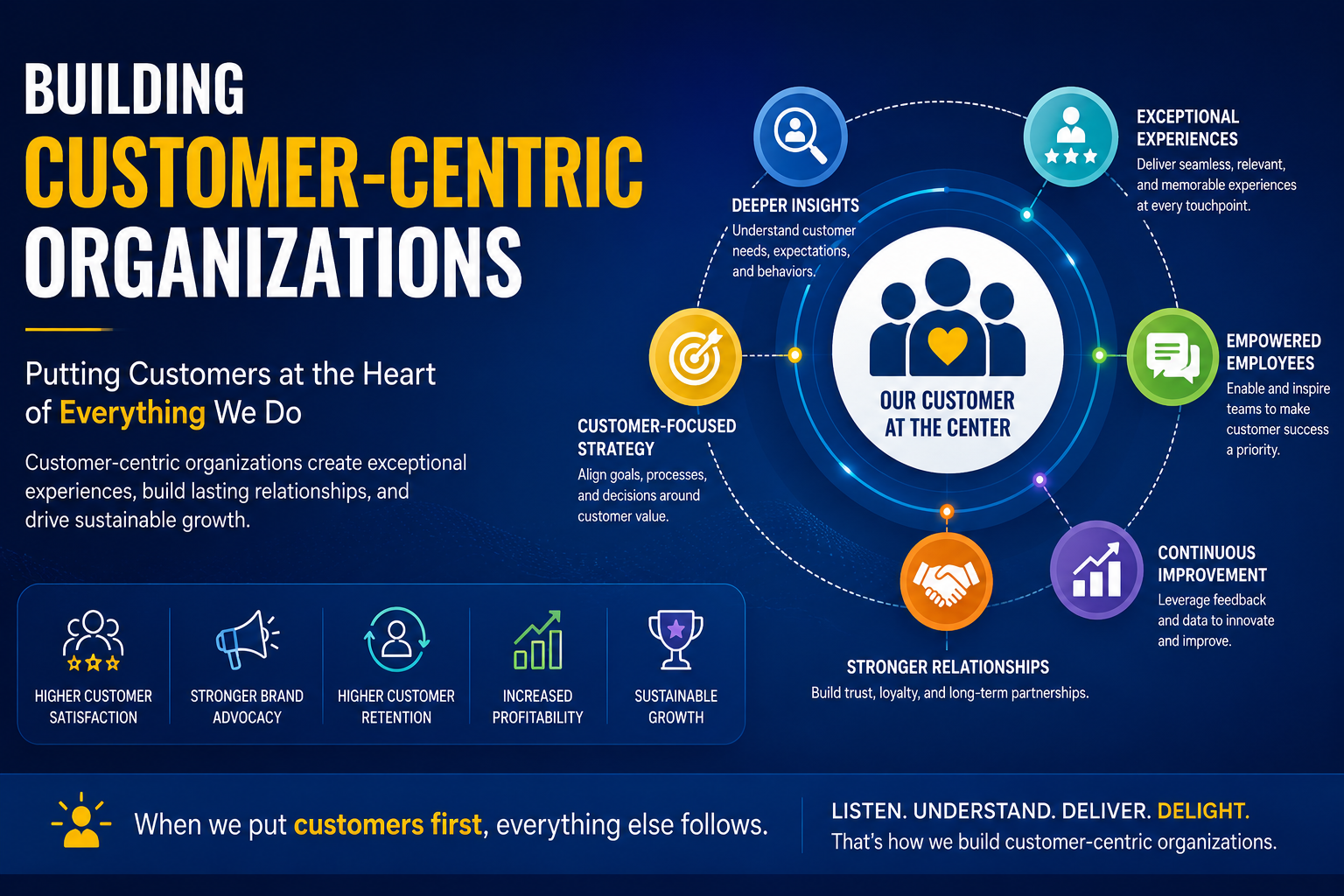
n today's highly competitive business environment, organizations that place customers at the center of their strategies are more likely to achieve sustainable growth and long-term success. Building a customer-centric organization goes beyond delivering quality products or services—it involves creating a culture where every decision, process, and innovation is driven by the goal of enhancing customer value and satisfaction.
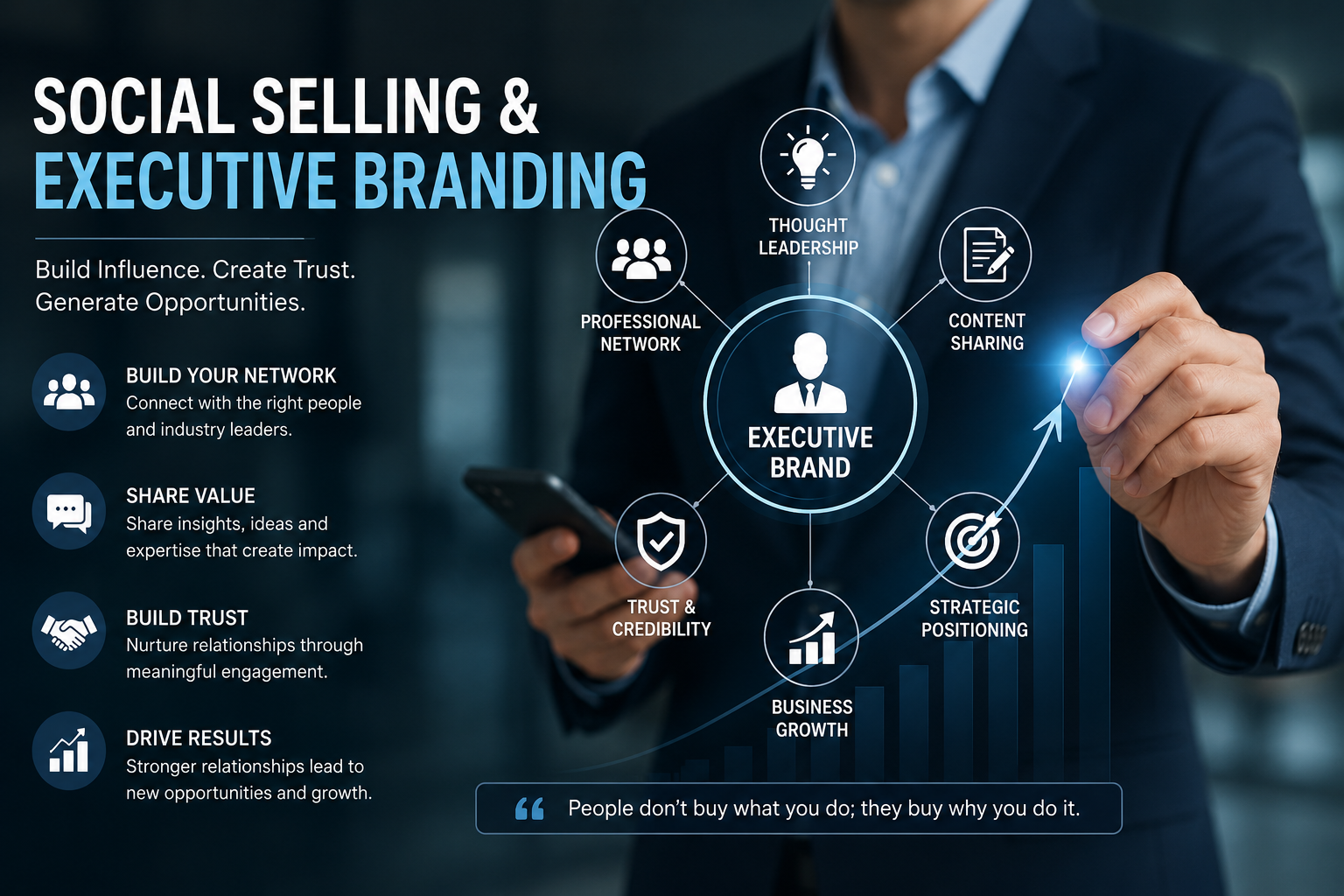
A customer-centric approach begins with understanding customer needs, preferences, and expectations. By leveraging data analytics, customer feedback, and market research, businesses can gain valuable insights into consumer behavior and tailor their offerings accordingly. Personalization, seamless customer experiences, and proactive engagement have become essential differentiators that strengthen customer loyalty and improve brand reputation.
Technology plays a crucial role in enabling customer-centricity. Customer Relationship Management (CRM) systems, artificial intelligence, and automation empower organizations to provide faster support, personalized recommendations, and consistent communication across multiple channels. However, technology should complement—not replace—the human element. Empathetic customer service, active listening, and genuine relationship-building remain critical components of exceptional customer experiences.
Tags
Leadership
Growth
Marketing