
June 17, 2026 • TMN Editorial
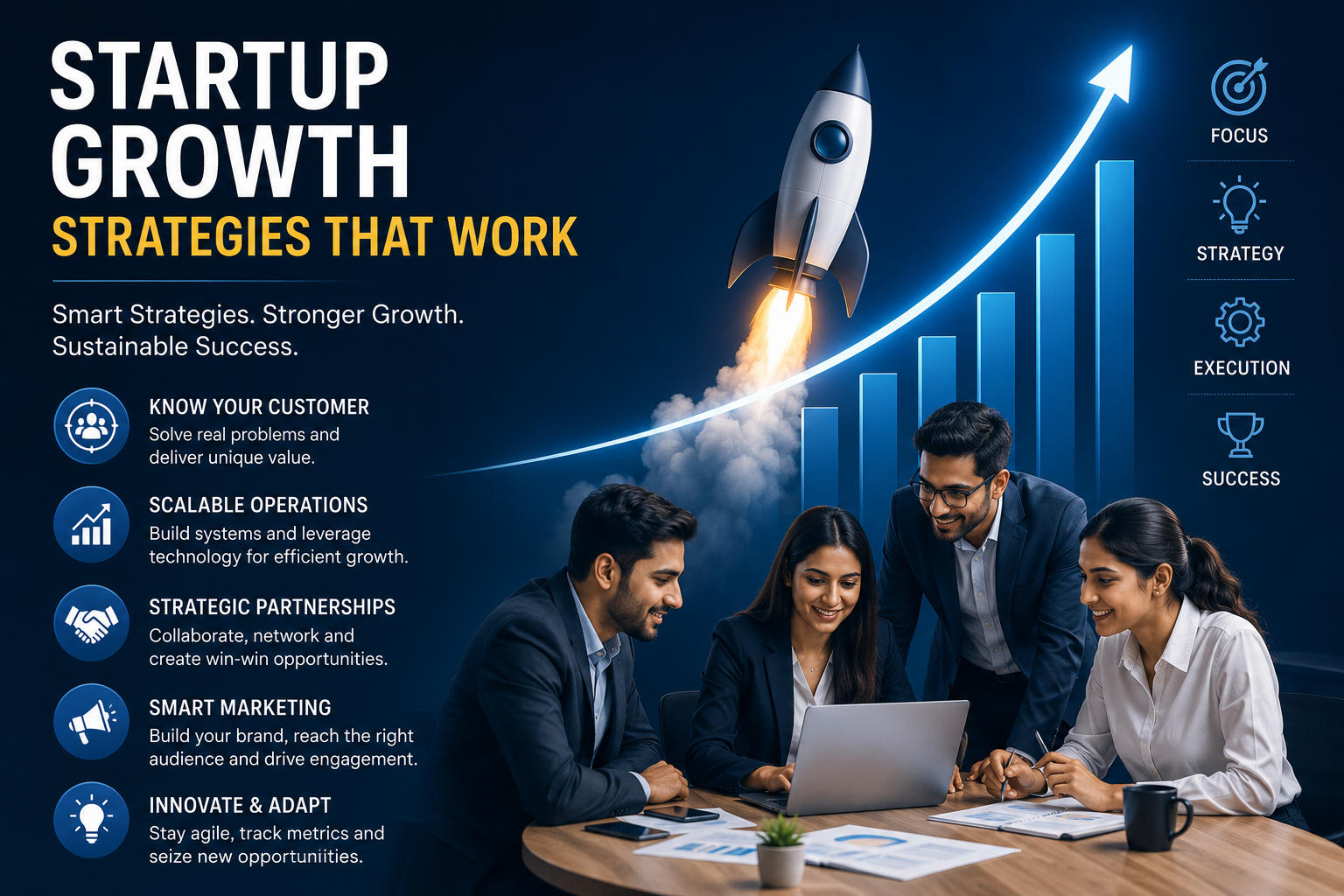
Building a successful startup requires more than a great idea—it demands a well-defined growth strategy, continuous innovation, and the ability to adapt to changing market conditions. In today's competitive business landscape, startups must focus on sustainable growth by combining customer-centric approaches with smart execution and data-driven decision-making. One of the most effective growth strategies is identifying a clear market need and delivering a unique value proposition. Startups that solve real customer problems are more likely to gain traction and establish a loyal customer base. Understanding customer feedback and continuously refining products or services ensures that the business remains relevant and competitive. Scalability is another critical factor in startup success. Founders should build systems, processes, and technologies that can support business expansion without significantly increasing operational costs. Leveraging cloud technologies, automation, and digital tools enables startups to improve efficiency while maintaining quality and customer satisfaction.
June 16, 2026 • TMN Editorial
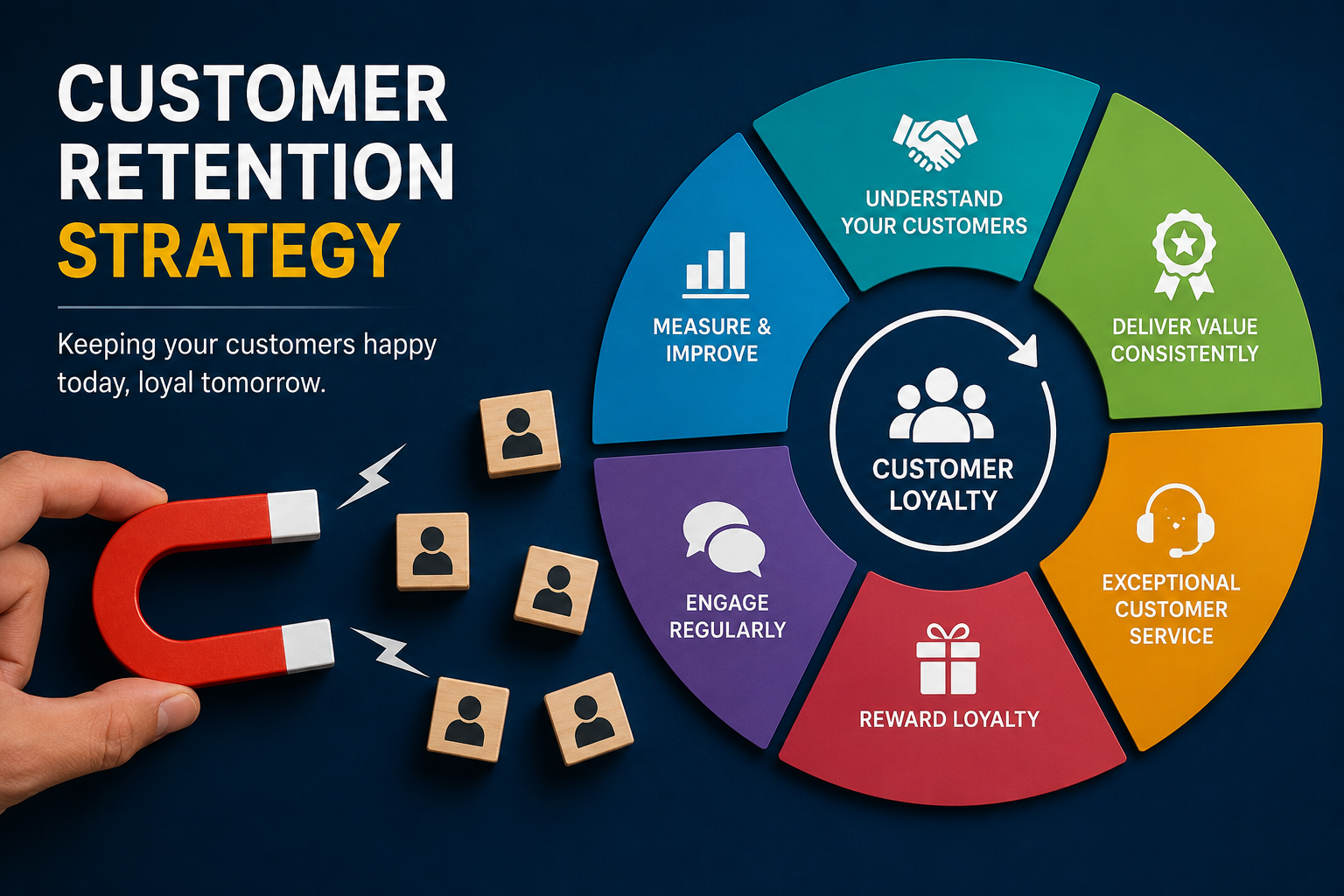
Customer retention is one of the most critical drivers of sustainable business growth in today's competitive marketplace. While acquiring new customers remains important, retaining existing ones is often more cost-effective and significantly more profitable over the long term. Organizations that prioritize customer retention build stronger relationships, foster trust, and create loyal advocates who contribute to recurring revenue and positive brand reputation. Effective customer retention strategies begin with understanding customer needs, preferences, and behaviors through data analytics and continuous feedback. Businesses that personalize experiences, provide proactive support, and consistently deliver value are better positioned to strengthen customer loyalty. Leveraging technologies such as Customer Relationship Management (CRM) systems, artificial intelligence, and predictive analytics enables organizations to anticipate customer expectations, identify potential churn risks, and implement timely interventions.
June 16, 2026 • TMN Editorial
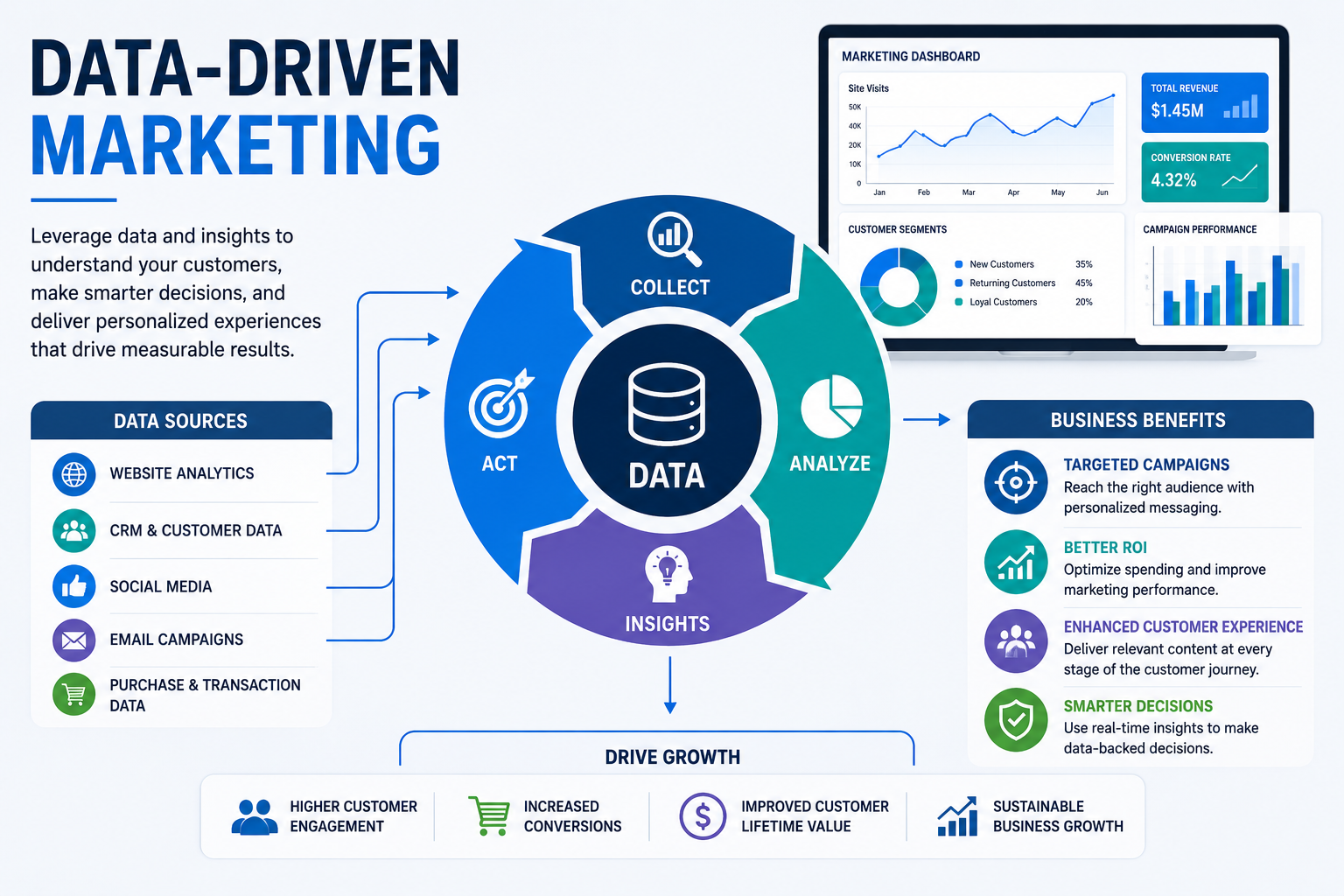
Data-driven marketing is a strategic approach that uses customer data, analytics, and insights to make informed marketing decisions and deliver personalized customer experiences. By analyzing data from multiple sources—including websites, social media, CRM systems, email campaigns, and customer interactions—organizations can better understand consumer behavior, preferences, and purchasing patterns. This approach enables businesses to create highly targeted campaigns, optimize marketing budgets, improve customer engagement, and increase conversion rates. Advanced technologies such as artificial intelligence (AI), machine learning, and predictive analytics further enhance decision-making by identifying trends, forecasting customer needs, and recommending the most effective marketing strategies. Key performance indicators (KPIs) such as customer acquisition cost (CAC), return on investment (ROI), customer lifetime value (CLV), conversion rates, and engagement metrics help organizations measure campaign effectiveness and continuously refine their marketing efforts.

May 20, 2026 • TMN Editorial
Digital marketing has become one of the most powerful tools for business expansion in the modern corporate world. It enables businesses to reach a wider audience through online platforms such as social media, search engines, websites, and email campaigns. Unlike traditional marketing, digital marketing offers cost-effective strategies that help companies connect directly with potential customers while building strong brand awareness. Through targeted advertising and data analytics, businesses can better understand customer preferences and create personalized marketing campaigns that improve engagement and conversion rates. Search Engine Optimization (SEO), content marketing, and social media promotion also help organizations increase online visibility and attract quality leads. Additionally, digital marketing allows businesses to measure campaign performance in real time and make informed decisions for better results. By strengthening customer relationships, enhancing market reach, and increasing sales opportunities, digital marketing plays a vital role in driving long-term business growth, improving competitiveness, and supporting sustainable expansion in today’s digital economy.
March 11, 2026 • TMN Editorial
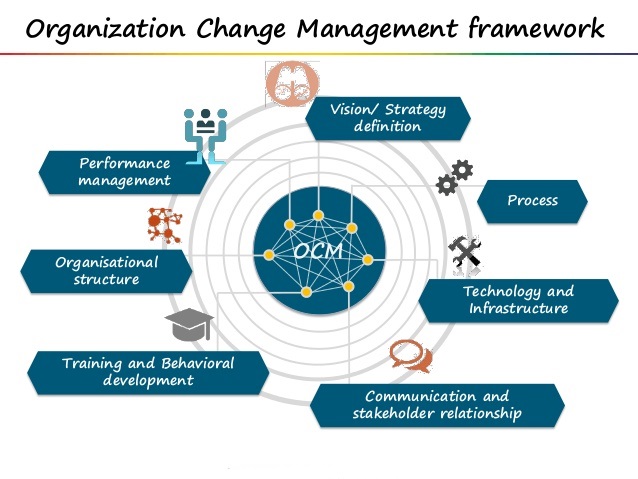
In today’s dynamic business environment, organizations must continuously adapt to new technologies, market demands, and competitive pressures. Managing organizational change effectively is essential for ensuring long-term growth and sustainability. Successful change management requires clear planning, strong leadership, and effective communication across all levels of the organization. One of the key elements of managing change is creating a clear vision. Leaders must communicate why the change is necessary and how it will benefit the organization and its employees. When team members understand the purpose behind the change, they are more likely to support and actively participate in the process. Employee involvement also plays a critical role in successful change management. Encouraging feedback, addressing concerns, and providing proper training can help reduce resistance and build confidence among employees. Organizations that focus on transparency and collaboration often experience smoother transitions. Additionally, monitoring progress and making adjustments when necessary helps ensure that the change initiative stays on track. By evaluating outcomes and learning from challenges, businesses can refine their strategies and improve future initiatives. Ultimately, managing organizational change effectively allows companies to remain competitive, innovative, and resilient in an ever-evolving business landscape.
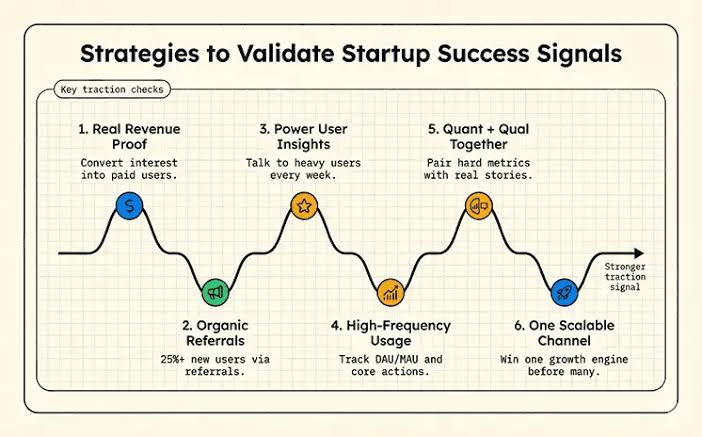
Investor confidence is one of the most valuable assets a business can cultivate. Whether s...
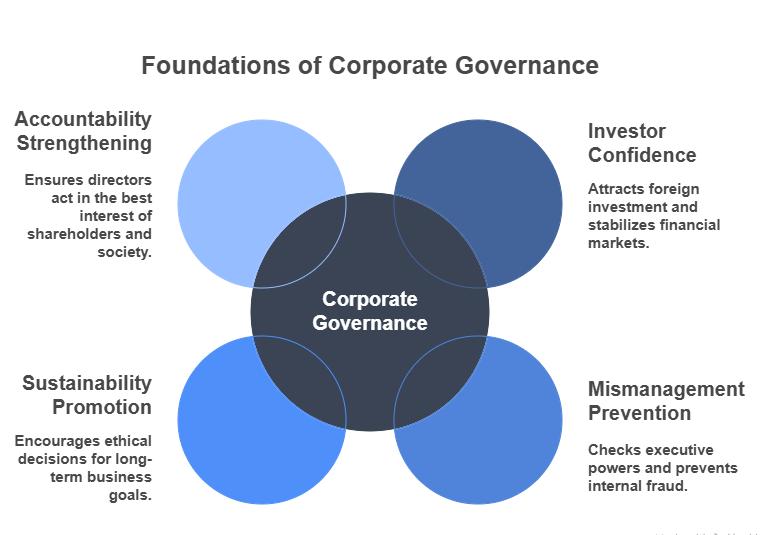
Innovation Management is the strategic process of transforming ideas into valuable solutio...
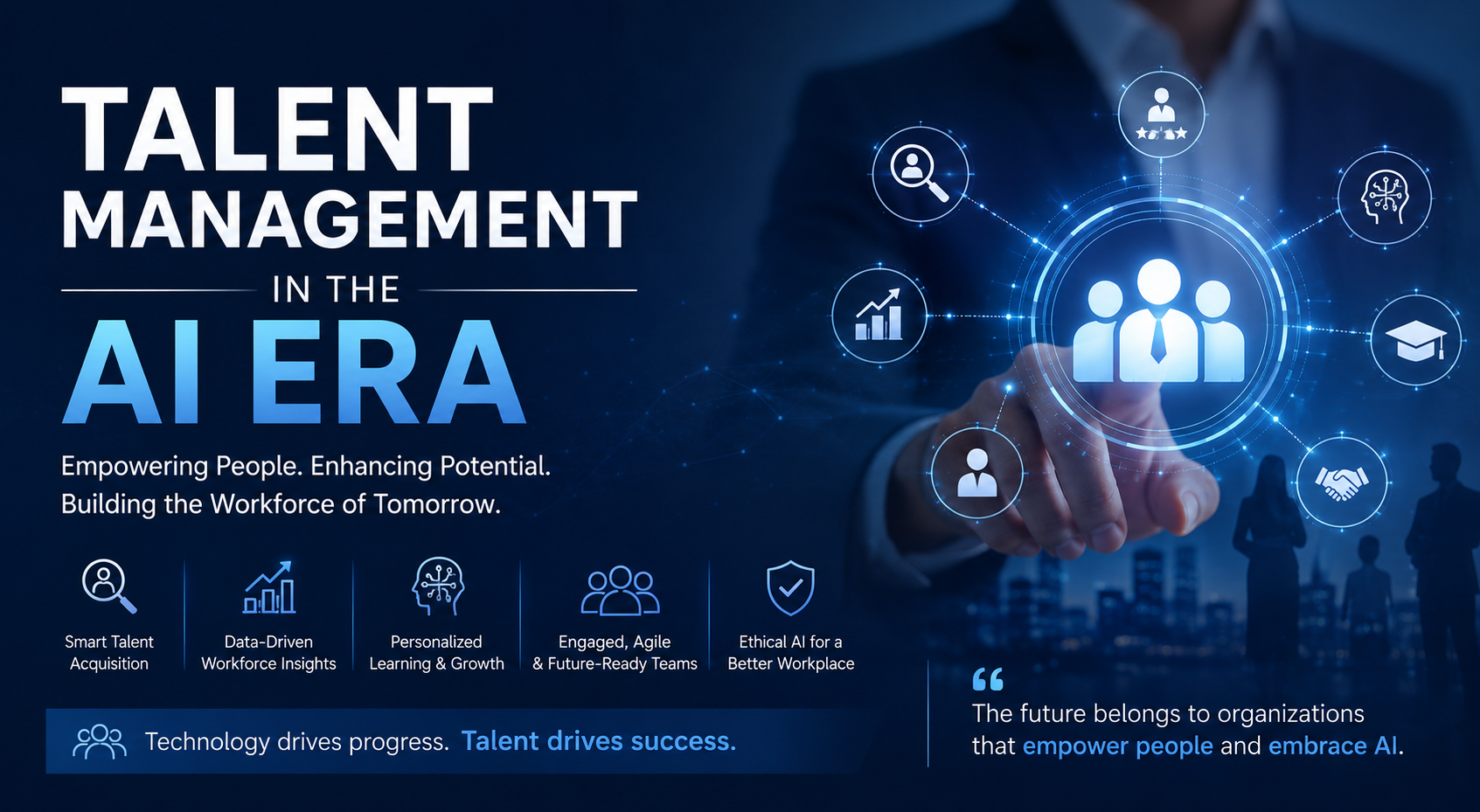
Artificial intelligence is transforming the way organizations attract, develop, and retain...
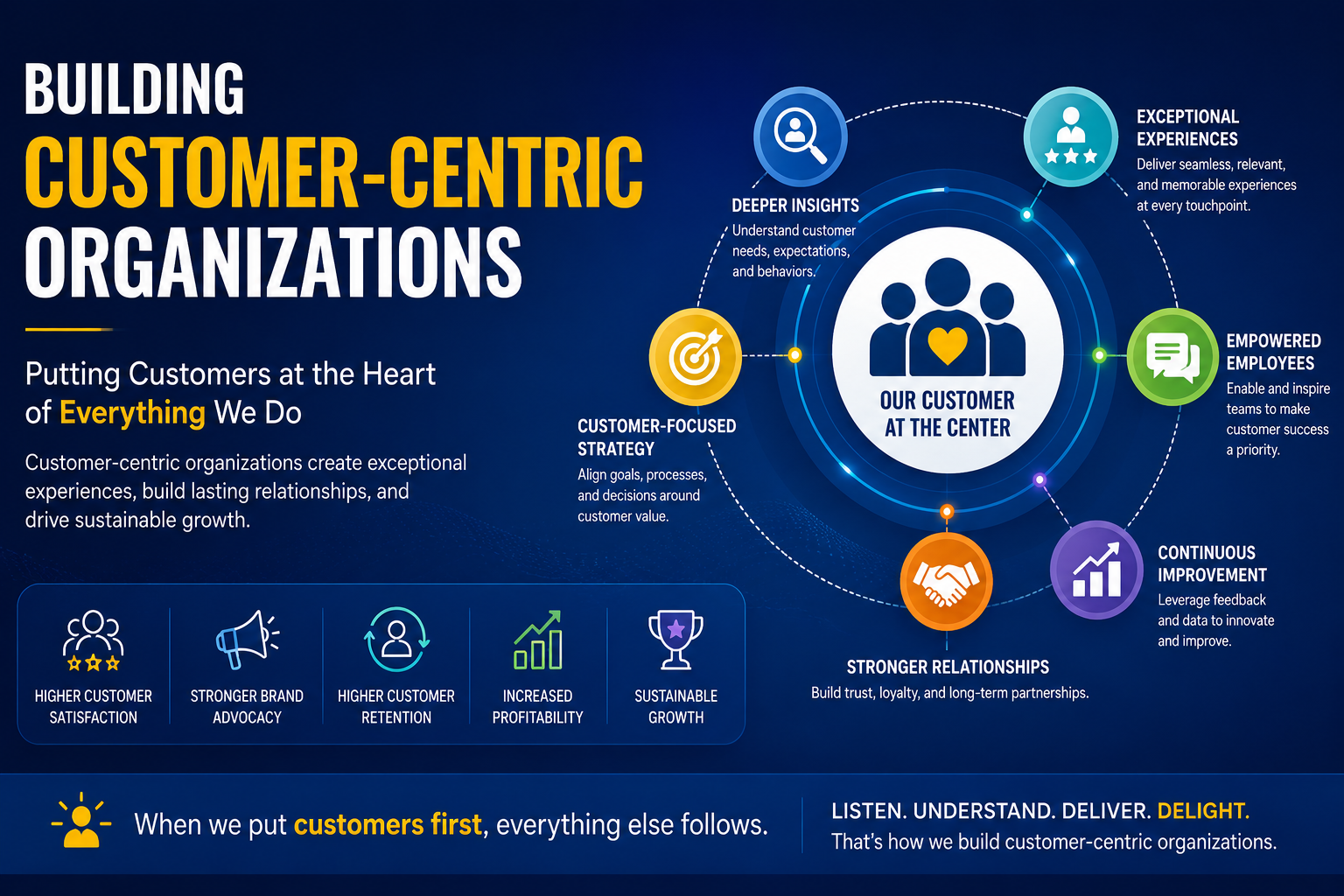
In today's highly competitive business environment, organizations that place customers at...